The task of creating an academic paper is known to be challenging, and the reason why many students have problems with this writing process is the necessity to structure their ideas in accordance with the requirements of the assignment.
Long writing does not necessarily mean quality writing, as an essay consisting of five pages with many abstract sentences and assertions is much less likely to receive a high grade than one of three pages with solid argumentation.
The positive thing about the skill of writing academic papers is that it can be learned. Here are 10 useful strategies for improving your skills in organizing your thoughts properly.
1. Understand What Your Assignment Is Asking
Before you write a single sentence, take a few minutes to break down exactly what’s being asked. Look for:
- The assignment question itself
- The required format (essay, report, reflection, etc.)
- The word count
- Your target audience
- The required sources
- Submission requirements (deadline, file type, referencing style)
Pay close attention to the instruction words in the prompt. “Analyze” asks you to break a topic into parts and examine how they relate. “Compare” asks you to look at similarities and differences.

“Evaluate” asks for a judgment backed by evidence. “Discuss” invites a balanced exploration of a topic. “Explain” asks you to clarify how or why something happens.
Misreading these words is one of the most common reasons students lose marks even when the writing itself is strong.
2. Start With Research Before You Start Writing
Writing without doing enough research beforehand almost always results in weak, redundant paragraphs. Research before you start writing.
To gather good quality information:
- Use reputable academic references
- Conduct searches on your university’s online database
- Use Google Scholar for articles reviewed by peers
- Look at books and academic journals rather than Internet resources
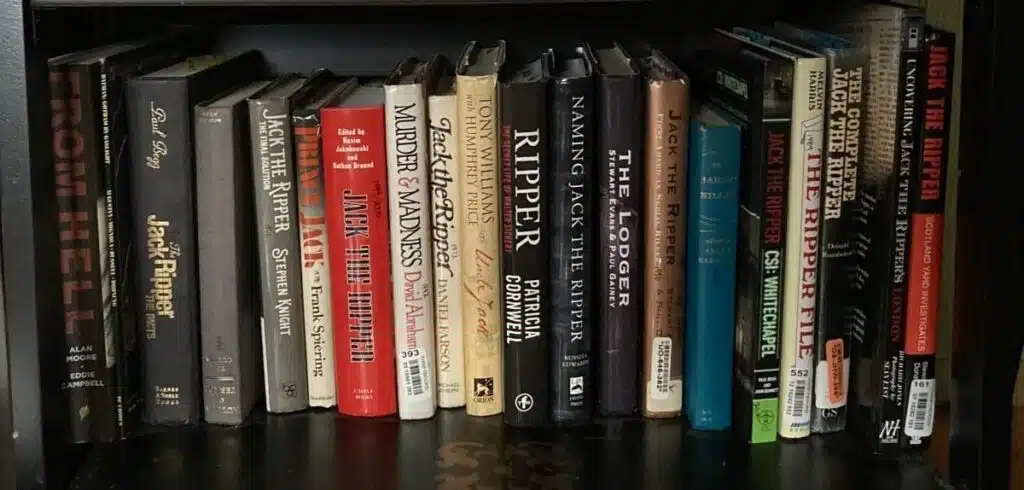
During the process of research, make sure to take careful notes and document your source of information for every item that you use, including page numbers.
Quick Tip:
Do not leave it to the end to figure out from which source you took statistics or quotations. Make a note of the sources as you go along. It is one of the most frequent causes of last-minute panic.
3. Create an Outline Before Writing
An outline doesn’t need to be complicated. It can simply be a list of the points you want to cover, arranged in a logical order. A basic academic structure looks like this:
Introduction
- Background or context
- Main argument
- Thesis statement
Body (repeated for each main point)
- Main point
- Evidence
- Explanation
- Connection back to the argument
Conclusion
- Key findings
- Restatement of the argument
- Final takeaway
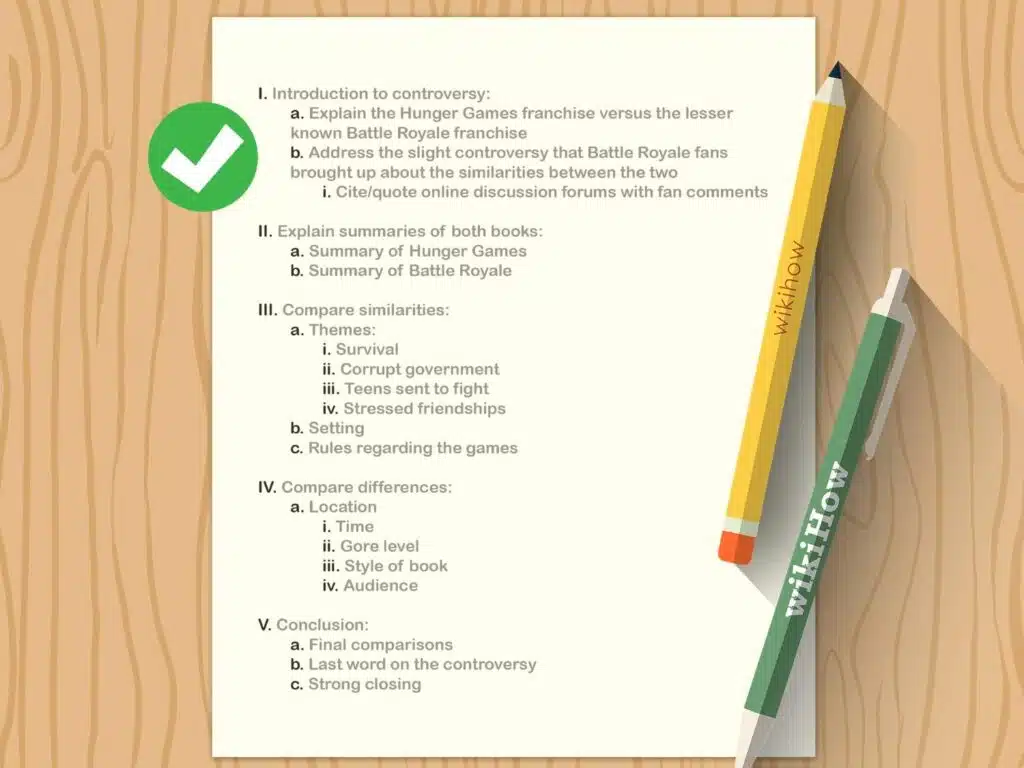
Even a rough outline saves time later, because it forces you to think through your argument’s structure before you’re deep in the weeds of sentence-level writing.
4. Focus on Clarity and Readability
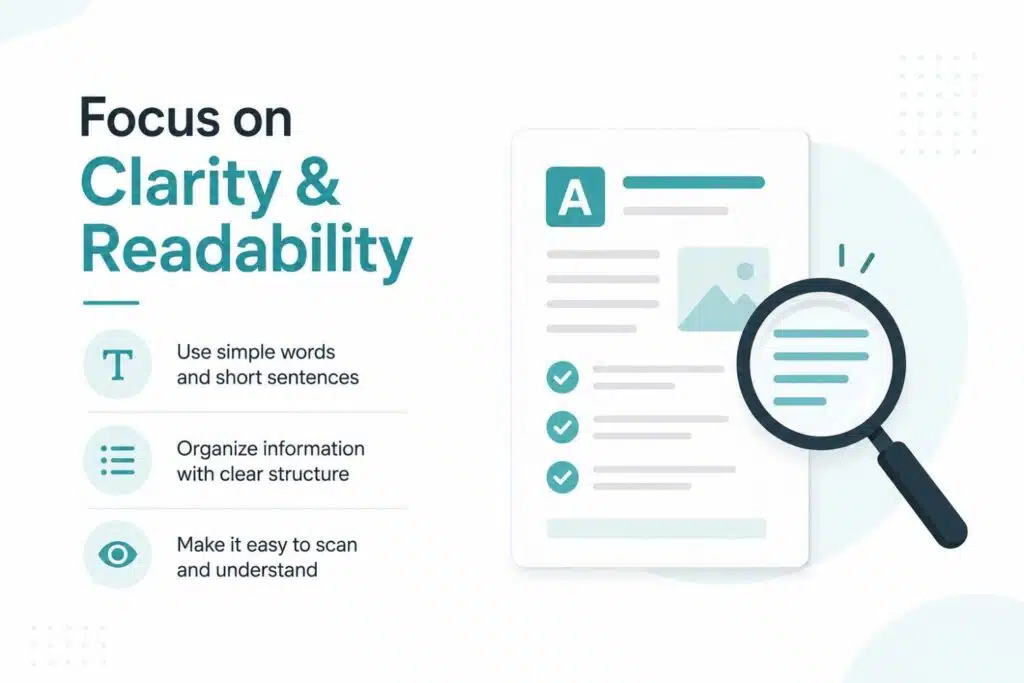
Academic writing doesn’t need complicated vocabulary to sound intelligent; in fact, overly dense writing often signals a lack of confidence in the argument itself. Aim for:
- Clear, direct sentences
- Minimal unnecessary jargon
- No redundant phrases
- Paragraphs that stay focused on one idea
- Precise word choices
- Active voice where it fits naturally
Use Writing Tools During the Editing Process
Tools like Grammarly are useful during editing, not drafting. They flag grammar mistakes, spelling errors, punctuation issues, awkward phrasing, and readability problems you might miss on a tired read-through.
Grammarly’s free plan covers the basics. Students who want deeper checks, such as clarity scoring and tone suggestions, can start with the 20% Grammarly discount on the annual plans. The coupon is accessible for both existing and new users.
5. Develop a Strong Thesis Statement
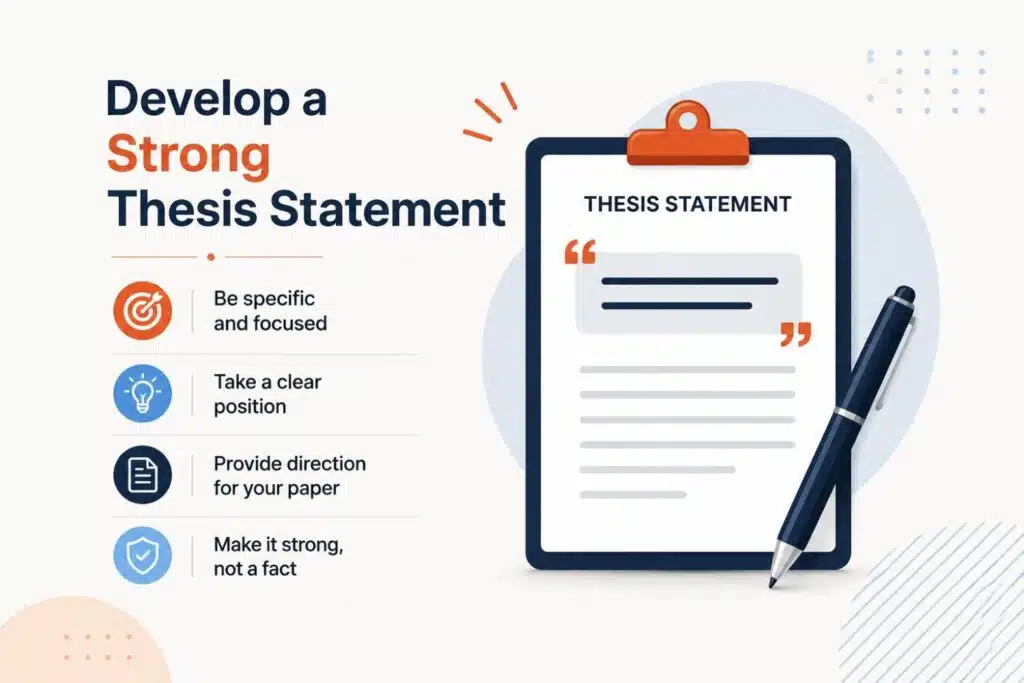
Your thesis is the backbone of your entire paper, so it’s worth spending real time on it. A strong thesis is:
- Clear
- Specific
- Debatable (not just a statement of fact)
- Relevant to the assignment
- Supported by the evidence you’ve gathered
Weak vs. Strong Thesis
Weak thesis: “Social media affects teenagers.” Strong thesis: “Excessive social media use among teenagers is linked to increased anxiety, primarily due to social comparison and disrupted sleep patterns.”
The strong version gives the reader a specific, arguable claim and a preview of the reasoning that will follow.
6. Build Stronger Paragraphs
The PEEL structure is a simple way to keep paragraphs focused and connected to your argument:
- P — Point: State the main idea of the paragraph
- E — Evidence: Support it with data, a quotation, or a source
- E — Explanation: Explain what the evidence means and why it matters
- L — Link: Connect the point back to your thesis or transition to the next idea
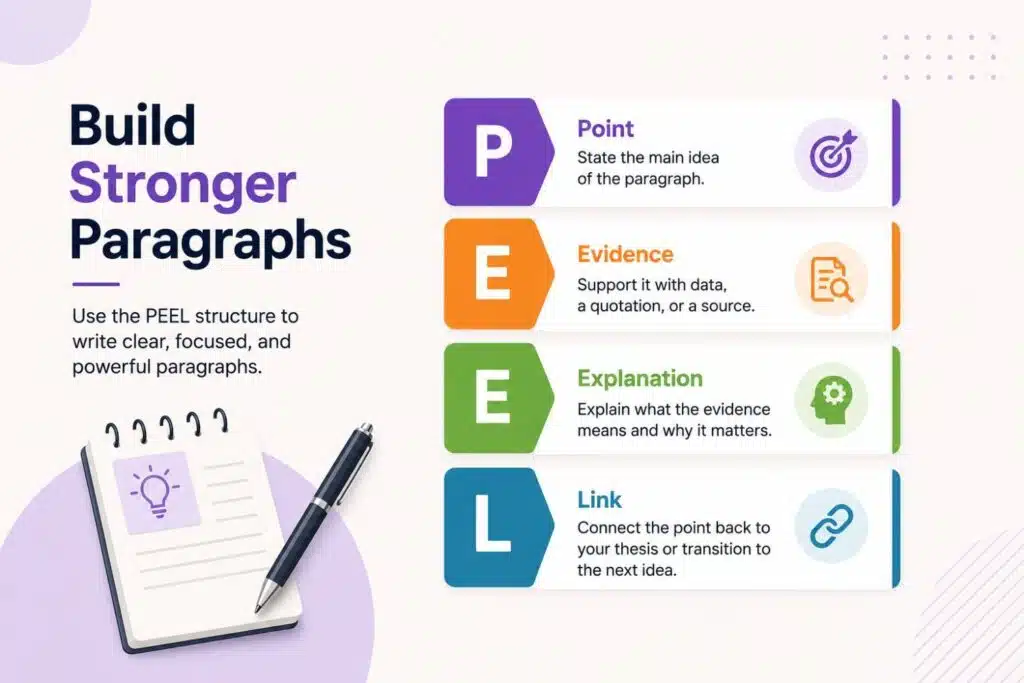
Without this structure, paragraphs tend to become loose collections of facts rather than building blocks of an argument.
7. Use Evidence Instead of Unsupported Claims
Compare these two statements:
- “Social media has a major impact on students.”
- “A 2022 study found that students who spent more than four hours a day on social media reported significantly higher levels of academic procrastination.”
The second version is far more persuasive because it’s backed by specific evidence. Strengthen your arguments with:
- Statistics
- Research findings
- Expert opinions
- Academic studies
- Concrete examples
Evidence alone isn’t enough, though you also need to interpret it. Don’t just drop a citation into a paragraph and move on; explain why it supports your point.
8. Improve Your Vocabulary Without Overcomplicating Your Writing
Rather than reaching for “big words,” focus on precision. That means you should:
- Avoid repeating the same words over and over
- Choose words that accurately express your intended meaning
- Learn the terminology specific to your subject area
- Avoid unfamiliar words used purely to sound academic
- Use a thesaurus; carefully check that a suggested word actually fits the context

Example:
“The results were good” is vague. “The results were statistically significant” is precise and appropriate for academic writing.
9. Master Citations and Referencing
Citations matter for several reasons: they help you avoid plagiarism, give credit to the original authors whose ideas you’re building on, and strengthen your claims by showing they’re grounded in real research.
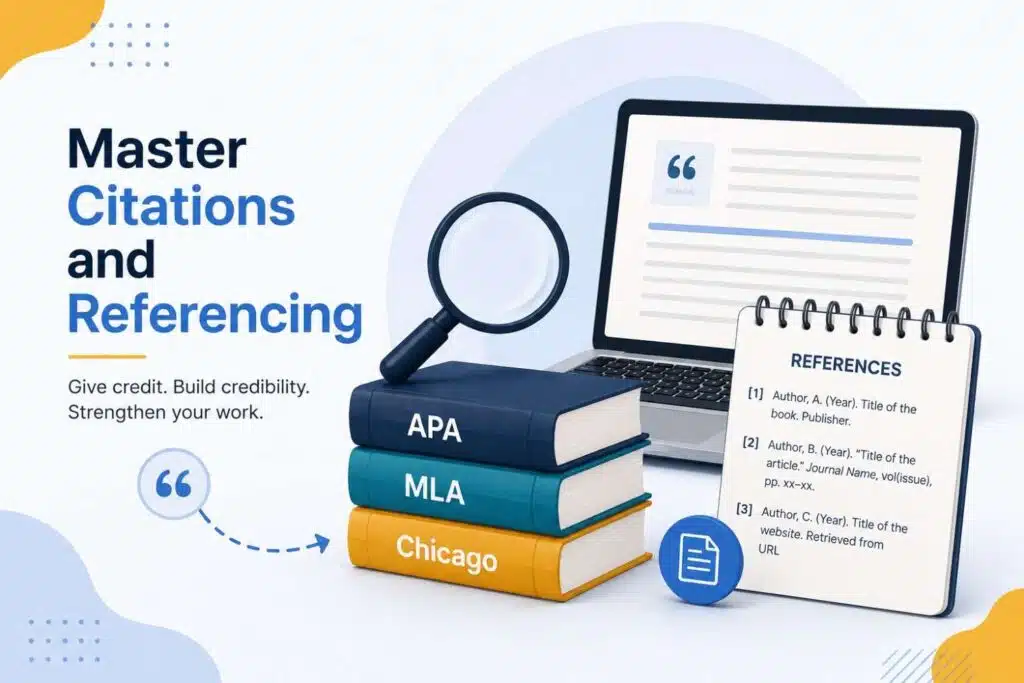
Common citation styles include:
- APA – common in social sciences
- MLA – common in humanities
- Chicago – common in history and some social sciences
- Harvard – widely used across many disciplines internationally
Always use the specific style required by your institution or instructor, since formatting rules vary between styles and between departments.
10. Always Edit and Proofread Before Submitting
Before you submit any assignment, run through a final check for:
Check for:
- Grammar
- Spelling
- Punctuation
- Sentence structure
- Repeated words
- Missing citations
- Formatting
- Inconsistent terminology
- Word count
- Assignment requirements
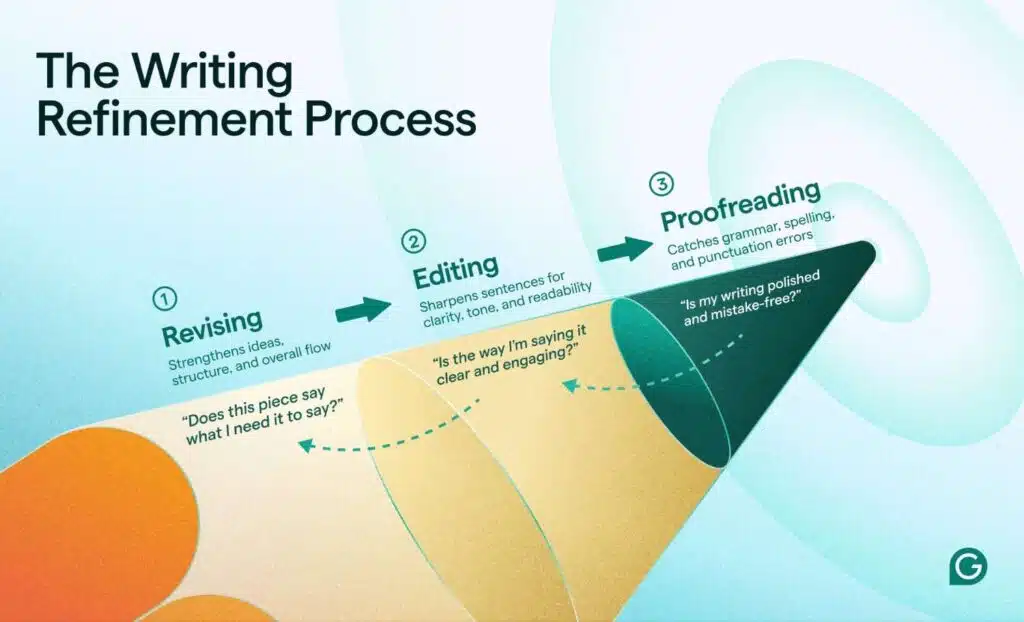
It helps to do multiple editing passes rather than one big one; focus each pass on a different issue (structure on one pass, grammar on another, citations on a third) rather than trying to catch everything at once.
Bonus: A 15-Minute Academic Writing Review Checklist
If you only have 15 minutes before submitting, split your review into three five-minute blocks:
First 5 minutes:
Structure
- Does the introduction answer the question?
- Is the thesis clear?
- Does each paragraph have a purpose?
Next 5 minutes:
Evidence
- Are major claims supported?
- Are citations included?
- Are sources credible?
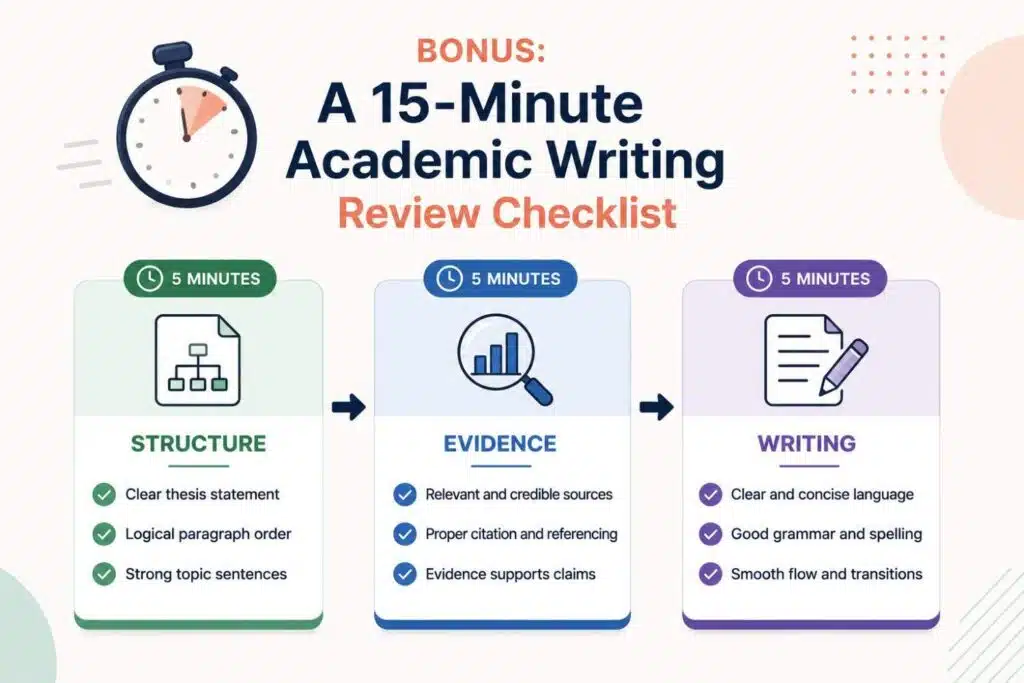
Final 5 minutes:
Writing
- Grammar
- Spelling
- Clarity
- Repetition
- Formatting
Conclusion: 10 Practical Tips to Improve Your Academic Writing
Better academic writing isn’t about using complicated vocabulary or padding your word count. It comes down to having a clear argument, using credible evidence, organizing your ideas logically, and taking the time to edit your work before you submit it.
Apply even a few of these techniques consistently, and you’ll notice a real difference in the quality and the grades of your academic writing.